The Many Faces of the Divine Feminine
Indian art and mythology offer fascinating insights into the beliefs, traditions and stories that have shaped our culture. Among these, the depiction of goddesses holds a special place, revealing how feminine power has been imagined, interpreted and celebrated across generations.
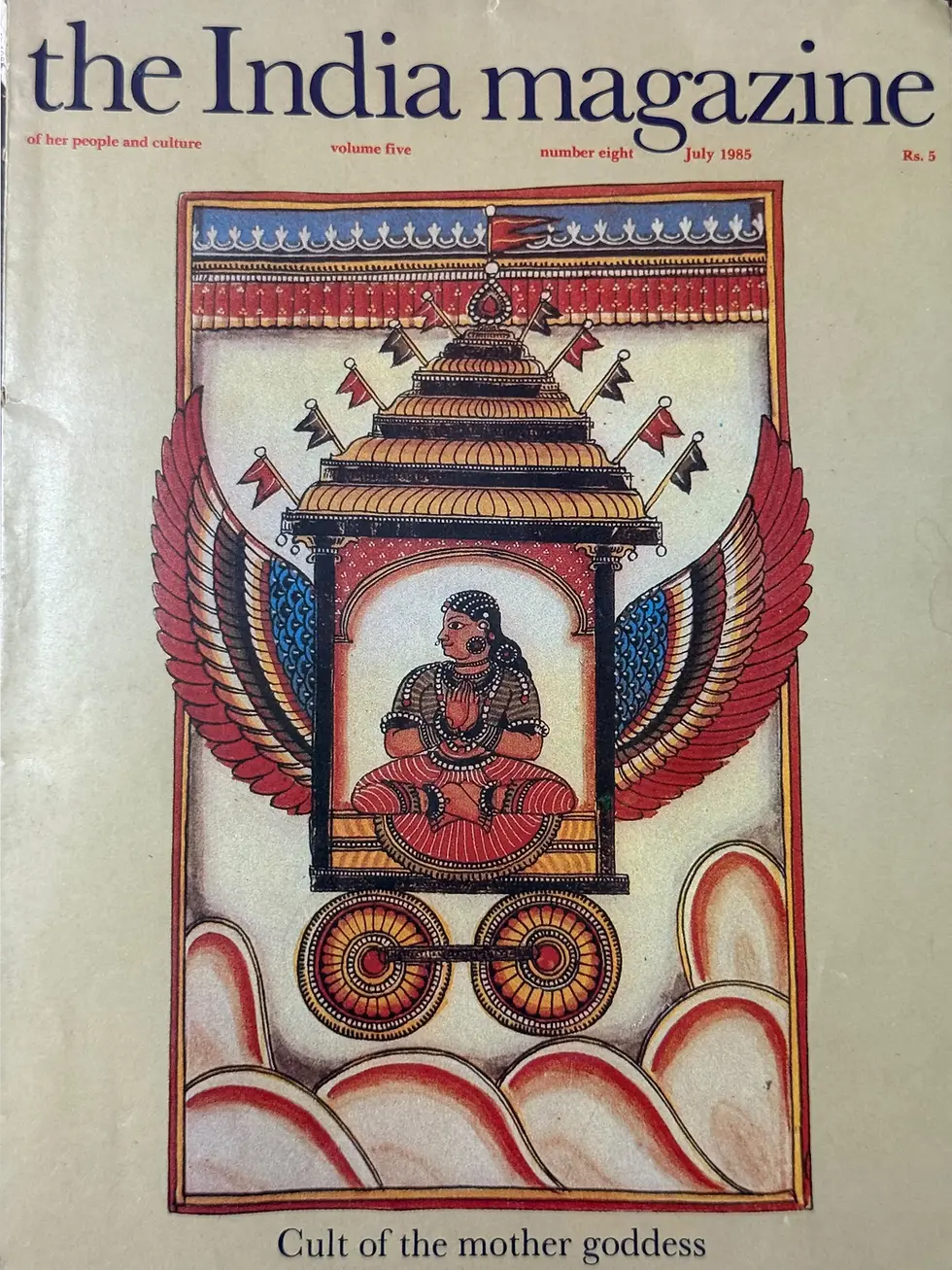
In Woman as God, an article by Marta Jankovicz Shah published in The India Magazine, the portrayal of goddesses in Vijayanagara paintings offers an interesting lens through which to explore the divine feminine. Their appearances, ornaments, symbols and relationships with other deities communicate stories that extend far beyond the image itself. Each detail carries meaning, helping us understand the beliefs and traditions of the communities that created and worshipped these figures.

From Lakshmi, associated with prosperity and abundance, to Saraswati, the embodiment of knowledge and the arts, and Durga, a symbol of courage and strength, each goddess represents a distinct aspect of Shakti, the feminine cosmic energy. These ideas continue to find expression in festivals such as Diwali and Navratri, where the divine feminine is celebrated through rituals, art and storytelling. The many forms of the goddess remind us that power can be nurturing, creative, protective and fierce.

Yet, there is a striking contrast between the powerful position goddesses occupy in Indian mythology and the patriarchal structures within which women have historically lived. This raises questions about how feminine power is represented in our cultural narratives and how these ideals translate into everyday life.
Through paintings, symbolism and folklore, we can look beyond familiar stories to understand how different communities have imagined the divine feminine. These representations are more than religious imagery. They offer a glimpse into our evolving cultural landscape, inviting us to reflect on the relationship between art, belief and the many ways feminine power continues to be understood today.


Comments